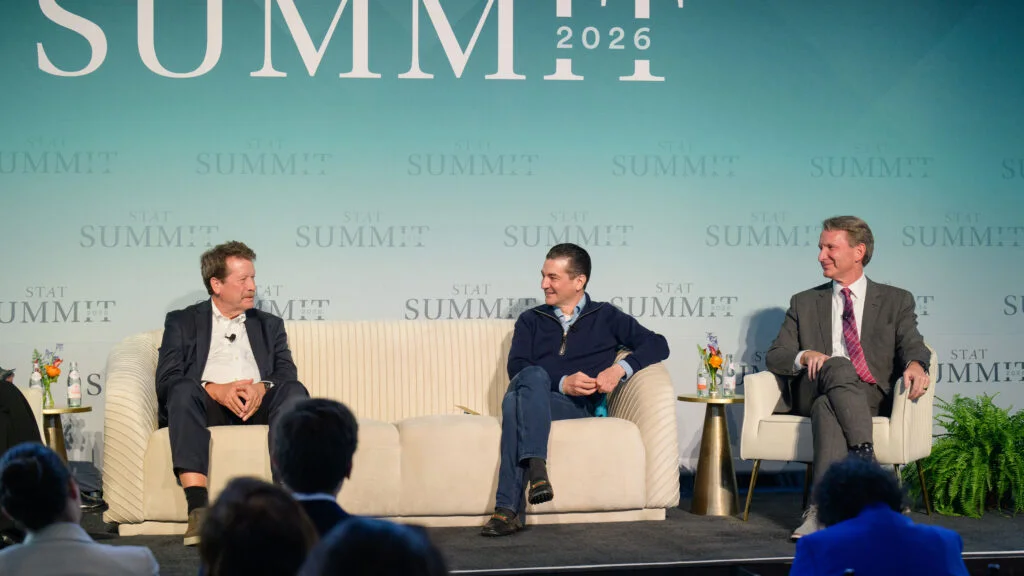
Three ex-FDA chiefs criticized significant layoffs under the Trump administration, asserting they severely damaged the agency's institutional knowledge.
The History of FDA Staffing and Leadership
The FDA has long served as a keystone institution in American public health and safety, responsible for regulating food, pharmaceuticals, and medical devices. However, this role isn't just about setting rules; it's about the people behind those rules. The agency's capacity to function effectively hinges on a well-staffed workforce rich in institutional knowledge. Over the years, the FDA has faced staffing challenges fueled by budget constraints, political pressures, and changing leadership. Instances of dramatic staff reductions, especially under political administration shifts, often leave a gap in expertise. And that's exactly what critics are now pointing at regarding the Trump administration's approach.
Analyzing the Criticism
This latest wave of criticism from former FDA leaders—specifically Robert Califf—comes after years of turbulence within the agency. Califf, who has firsthand experience under both Obama and Biden, stressed that firing thousands of employees also represents a systemic failure to understand the long-term consequences of such actions. His reference to the layoffs as a disaster isn't merely hyperbole. Each of those employees carried years, sometimes decades, of experience that cannot easily be replaced. In public health, continuity can mean the difference between a crisis averted and a disaster in progress.
The term “DOGE” used in Califf’s comments, though it might elicit chuckles or confusion among casual observers, stems from Musk's infamous influence in various sectors, including healthcare. The ensuing debate reveals the absurdity and seriousness intermingled in how technology intersects with governance. Layoffs were not just numbers; they represented a loss of experience that would take years to rebuild and reestablish.
The Fallout from Layoffs
The ramifications of these staffing cuts extend beyond immediate project capabilities. They undermine morale among FDA employees who witnessed the exodus and may lead to a lack of trust between staff and administration. A disengaged workforce can amplify challenges, complicating efforts to enforce regulations and respond swiftly to public health crises. And yet, during Marty Makary's tenure as FDA Commissioner—which was marked by repeated controversies—the challenges only escalated. His management style reportedly contributed to an environment that alienated existing staff and strained relationships within the agency and external stakeholders. The fallout culminated in his resignation last May, spotlighting the agency's ongoing issues.
Recruitment Challenges Ahead
Achieving recovery won't be straightforward. With Heidi Overton nominated to take the helm as the new FDA Commissioner, her confirmation process is critical for the agency’s future. However, the staffing shortage presents a double-edged sword; not only does it impede current projects, but it also hampers recruitment efforts. Potential hires may hesitate to join an organization still seemingly reeling from past trauma. The uncertain stability of the FDA's leadership exacerbates these challenges. If you're working in this space, consider how these dynamics might shift the culture at the FDA for years to come.
Implications for Public Health Policy
The broader implications of these staffing losses can't be overlooked. The FDA's fundamental mission of safeguarding public health is directly tied to its workforce. Issues like drug approvals, food safety inspections, and public health emergencies require a well-prepared agency equipped with the requisite skills and experience. So, what does this mean for future public health crises? A diminished FDA may struggle to react effectively, potentially prolonging adverse outcomes and further testing the public's trust in federal oversight.
Moreover, the long-term effects of a drastically reduced workforce—especially amidst a global pandemic—leave a gaping hole in America's healthcare safety net. The challenges aren't just limited to workforce issues but also influence funding, policy direction, and broader collaboration across health agencies. Institutions often bounce back from similar crises, yet the FDA's case may take more time and resources than expected. The waiting period to rebuild institutional knowledge could cost lives.
Looking to the Future
As the FDA seeks to recover, the significance of restoring institutional knowledge and expertise cannot be overstated. The new leadership under Overton faces the daunting task of not just stabilizing the situation but also of innovating and adapting to new public health challenges. Historical precedents have shown that agencies often enter cycles of crisis management after losing key personnel. In this case, rebuilding will likely require concerted efforts to attract top talent, rebuild morale, and foster a collaborative environment to ensure comprehensive public health strategies are employed effectively.
Hiring practices may need to evolve, adapting to coax experienced professionals back into the fold, or even changing the culture to prioritize knowledge retention and succession planning more rigorously. The challenges ahead are marked by uncertainty. But as the FDA navigates these turbulent waters, the importance of a skilled workforce remains paramount, especially in an era where public trust and health safety are under continual scrutiny.


Discussion
Sign in to join the discussion.