Recent actions by the Trump administration impose hefty fees and probe leading universities, impacting international students in biomedical research.
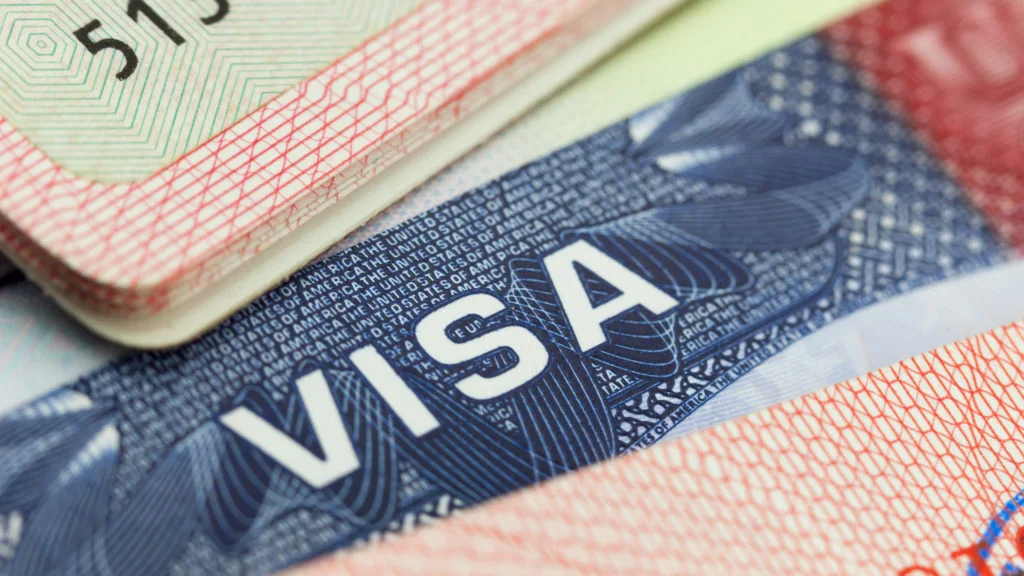
In a significant development last week, the Trump administration announced two major initiatives that could heavily affect international students and scholars contributing to the U.S. biomedical research field. On Wednesday, the Department of Homeland Security proposed a hefty $70,000 fee for a work authorization program that supports many foreign students in gaining essential professional experience. This pronounced move raises concerns about the accessibility of these opportunities for international scholars.
Context of the Changes
International students have historically been a vital part of the U.S. educational system and research ecosystem, especially in areas like biomedical science. Universities find that these individuals often bring diverse perspectives and skills that enhance collaborative research and innovation. When changes like these arise, they can impact not only the students but the institutions and industries that rely on their contributions.
The proposed $70,000 fee for work authorization is particularly concerning. Such a high cost could deter many talented individuals from pursuing opportunities in the U.S., disproportionately impacting those from lower-income backgrounds. In recent years, there has been a general trend toward making the U.S. a less attractive destination for international students, who have other options around the world. As countries like Canada, Germany, and Australia actively court these scholars with more friendly immigration policies, the U.S. could risk losing its competitive edge in attracting global talent.
Investigations into Visa Practices
The following day, the Labor Department's announcement about investigating nine prominent universities, including Harvard, Stanford, and Yale, for potential fraud concerning visas granted to postdoctoral researchers adds another layer of complexity. While the necessity for oversight in visa practices is undeniable, singling out prestigious institutions raises questions about whether this is a targeted crackdown or merely a precautionary measure.
However, this scrutiny could serve to discourage these universities from hosting international scholars due to fears of being embroiled in legal disputes. Universities often operate within tight budgets and rely on grants, which could be jeopardized by accusations of misconduct. The investigation represents a broader scrutiny of how universities navigate federal immigration policies, and it's part of a landscape where U.S. policy is increasingly scrutinized for its inclusivity and openness.
Consequences for Biomedical Research
These twin initiatives could have profound implications for the field of biomedical research. International students and scholars frequently contribute to cutting-edge research and possess skills that are sometimes in short supply in the domestic workforce. Reduced access to work authorization will likely diminish the talent pool available to universities and labs. The biomedical research sector thrives on collaboration and diversity of thought. If the number of international students decreases, the quality and scope of research may suffer.
This sentiment isn't just speculation. Industries like biotechnology and pharmaceuticals deeply depend on innovative ideas and a vigorous exchange of knowledge — factors that thrive in a competitive and diverse environment. The fear is that, without the influx of international talent, the U.S. could see stagnation in research breakthroughs and advancements.
A Possible Shift in Academic Environment
For universities, this situation necessitates a careful reevaluation of how they approach international collaborations. The financial burden of the proposed fee could require schools to find alternative funding sources or reallocate existing resources to support international students. Many academic institutions might resort to litigation or lobbying efforts to advocate against such high fees.
From an economic standpoint, there could be a ripple effect. The cost might push universities to pull back on research projects that require international expertise, which could result in fewer publications, less funding, and diminished prestige both nationally and internationally. Institutions will need to find ways to justify their expenses more compellingly in this new world.
Implications and Future Outlook
What does this mean for you if you're working in this space? The changes outlined signify a potentially seismic shift in how the U.S. views and engages with international talent. For scholars, securing a position in the U.S. may soon feel more like a privilege than a right.
As universities grapple with these new challenges, alternative models may emerge to sustain their international academic engagements. Some institutions might create partnerships with foreign universities to facilitate research projects in their home countries, while others may look into establishing satellite campuses overseas. Such adaptations could help mitigate the potential loss of talent while still harnessing the benefits of global collaboration.
Additionally, increased efforts to attract domestic students to these fields could become a larger focus. Programs aimed at enhancing domestic interest in science and technology might see renewed funding as universities try to balance the scales. This shift could also pose a long-term challenge, as it would increase pressure on the U.S. educational system to produce more homegrown talent in competitive fields.
And yet, despite the multitude of challenges, there’s an opportunity for growth in advocacy. This environment could galvanize organizations dedicated to fostering diversity in STEM, encouraging grassroots movements aimed at creating more inclusive academic pathways. The future isn't set in stone, and active engagement from all sides will determine the outcome of international academic collaboration in the U.S.

Discussion
Sign in to join the discussion.