Verastem's KRAS inhibitor offers new hope in the fight against pancreatic cancer, signaling significant potential in oncology advancements.
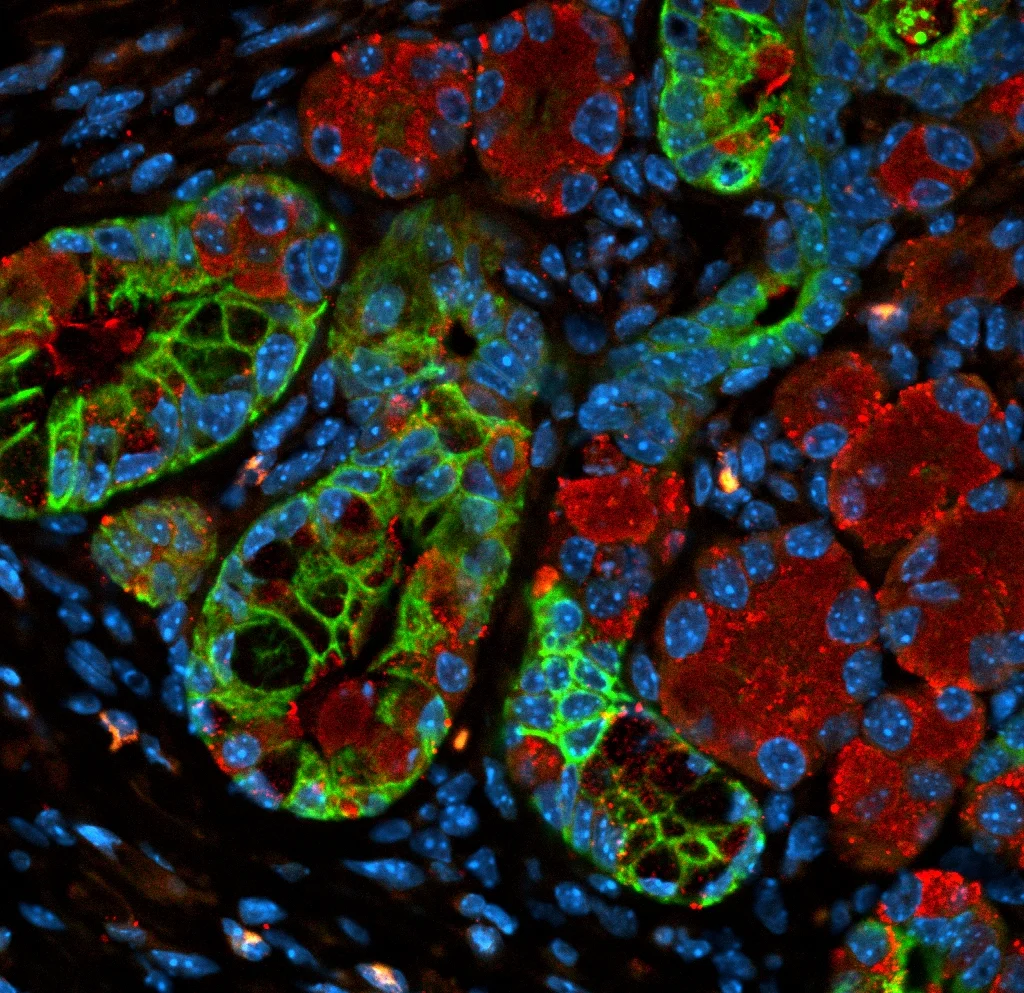
Verastem's KRAS inhibitor is garnering attention for its promising application in the treatment of pancreatic cancer, a notoriously difficult disease to manage. With pancreatic cancer's low survival rates, any advancement in effective therapies is crucial. The KRAS gene, when mutated, plays a significant role in the development and progression of various cancers, including pancreatic cancer. This particular tumor is infamously aggressive, with a dismal five-year survival rate that hovers around 10%. Traditional treatment options often prove ineffective, paving the way for innovative approaches like Verastem's. Physicians and researchers are cautiously optimistic, as breakthroughs in targeted therapies could alter patient outcomes dramatically.
The Implications of KRAS Inhibition
KRAS mutations are present in roughly 90% of pancreatic cancer cases, making this a prime target for drug development. Verastem’s work in this area represents not just a battle against a specific mutation but also a significant shift in how scientists approach difficult-to-treat cancers. The company’s approach to inhibiting KRAS could potentially unlock new pathways for therapy, changing the way oncologists manage pancreatic cancer patients. Early clinical outcomes have shown promise, and if they hold up under larger trials, they could mark a pivotal moment in oncology.
Funding Developments in Biotech
Meanwhile, U.K.-based OMass Therapeutics has successfully secured $310 million to advance treatments targeting congenital adrenal hyperplasia, an inherited endocrine disorder. This significant funding highlights ongoing investor interest in niche therapeutic areas. While typically overshadowed by high-profile diseases such as cancer, congenital adrenal hyperplasia poses serious health risks when mismanaged. The recent surge in funding underscores a broader trend where investors are increasingly recognizing the value of addressing rare and underserved conditions. Companies like OMass are positioning themselves to fill crucial gaps in treatment alternatives, suggesting that diverse focuses in biotech may yield substantial rewards.
Shifting Dynamics in Biotech Investment
There's growing concern among U.S. venture capitalists over China's expanding biotech sector. An investor noted that this rapid development isn't just a challenge for American companies; it's also putting pressure on U.S. VC firms. The emergence of China's biotech environment highlights a stark contrast in regulatory frameworks and funding opportunities. In regions where the ecosystem seems more buoyant, U.S. firms might find themselves at a disadvantage. The intricate relationship between innovation and investment is evolving, raising questions about where funding will flow next. The stakes are high, and as competition escalates, the investment patterns among biopharmaceutical firms are poised for significant change.
In the last few years, Chinese biotech has gained momentum, with many companies attracting hefty investments partly due to government support and a focus on rapid market approvals. This shift raises implications for American biotechnology businesses, which have traditionally led the charge in drug development. If you're working in this space, staying alert to these dynamics can mean the difference between thriving and merely surviving in a tightening market.
The Impact of Global Competition
The increasing prowess of foreign biotech firms poses a dual challenge for American companies: heightened competition and potential disruptions in their funding paths. Competitive pressures may lead to more aggressive strategies among U.S. firms, as they seek to remain attractive and relevant. This might mean reallocating resources toward less conventional areas, such as personalized medicine or artificial intelligence in drug discovery. The pressure to innovate could result in many companies rethinking not only their portfolios but also their operational structures, suggesting a potential wave of mergers and acquisitions as firms look to stay competitive.
(and this is the part most people overlook) This evolving nature of competition could lead to collaborative projects as well. Strategic partnerships or alliances with overseas firms could offer mutual benefits and allow American companies to leverage foreign markets and expertise.
Future Outlook: An Industry at a Crossroads
The current environment suggests that biotechnology is at a crossroads. The successes of companies like Verastem and OMass indicate a shift not only in therapeutic approaches but also in funding strategies. With increasing investments in niche therapies, there’s a clear signal to innovators: the market is open for business in areas that have historically been neglected. For physicians and patients, the prospect of new treatments on the horizon provides hope in a field long labeled as stagnant. However, the rise in global competition brings uncertainty; American firms cannot afford to be complacent. The way forward will likely require agility, foresight, and perhaps a dose of collaboration.
Investors and companies alike will need to adapt to these changing tides. If the right strategies are employed, the next few years could prove incredibly fruitful for those in biotech. But the clock is ticking, and the pressure is on.

Discussion
Sign in to join the discussion.