A look back at interleukin-2's significance highlights the unpredictable trajectory of scientific discovery and its transformative effects on medicine.
The Legacy of Interleukin-2
September marked a notable anniversary in the scientific community as it was 50 years since my colleagues and I published the seminal paper on interleukin-2 (IL-2), a protein integral to the growth and regulation of T cells. Renowned immunologists Rafi Ahmed and Steven Rosenberg reflected on this milestone, prompting my own contemplation of IL-2's greatest legacy.
Defining Importance in Science
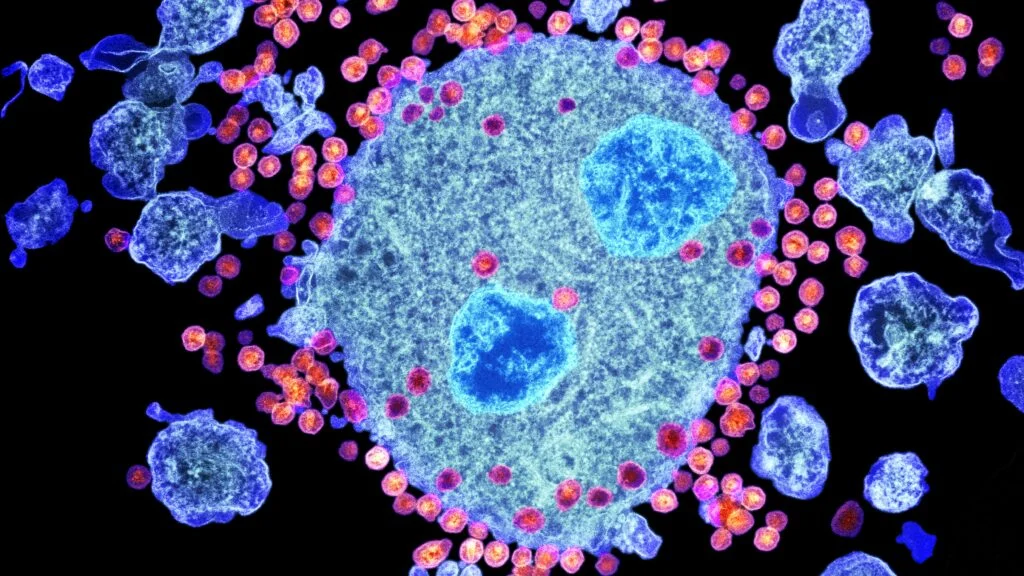
The importance of IL-2 can be interpreted in different ways, depending on one's perspective. For me, its most significant contribution was enabling the discovery of the first human retroviruses, including the agent responsible for human leukemia and subsequently, HIV. These discoveries were pivotal in establishing that HIV causes AIDS and contributed to the development of blood tests that protect our blood supply.
Conversely, many of my colleagues in immunology might argue that IL-2's key role was fostering the growth of human T cells, thereby laying the groundwork for modern cellular immunology and cancer immunotherapy.
The Nature of Scientific Discovery
Beyond its specific milestones, IL-2 serves as a case study in understanding scientific discovery's nature. At the outset of our research, we could not have foreseen the vast implications of our work. Basic science often involves exploring unknowns and can yield results that diverge significantly from initial hypotheses. Although many express support for scientific research, there’s often a disconnect when it comes to the unpredictable nature of its advancements.
In our pursuit, we were initially focused on identifying growth factors that would allow various blood cells to proliferate in a culture system. Upon successfully cultivating human T cells, I recognized we had reached a pivotal moment in research. However, even then, the trajectory of our findings remained uncertain.
Breaking Scientific Beliefs
At the time, many in the scientific community were skeptical about the existence of human retroviruses and believed continuous growth of T cells in culture was impossible. Ironically, just as our paper was accepted, a leading expert publicly asserted that this was universally understood. Yet, we demonstrated otherwise, propelling the next steps in our research forward.
This new understanding led directly to the discovery of human T-cell leukemia virus-1 (HTLV-1), the first identified human retrovirus, followed by HTLV-2. HTLV-1 allowed for the groundbreaking assertion that a virus could indeed cause human leukemia, marking a clear pathway from benign cells to the malignant form. IL-2 was crucial in accelerating these discoveries, which otherwise might have taken far longer to characterize.
Unforeseen Challenges Ahead
Little did we know that an even graver infectious threat loomed on the horizon: AIDS. Our extensive experience with human T cells had equipped us with the necessary tools to identify HIV as the etiological agent behind AIDS, allowing us to build upon our previous work rather than starting from scratch.
The capacity to grow human T cells was transformative for cellular immunology. Steve Rosenberg quickly recognized IL-2's potential in mobilizing the immune system against cancer and established the field of cancer immunotherapy. His pioneering work, alongside others, initiated the era of modern cancer treatments.
Beyond Immediate Results
Beyond individual contributions, figures like Rafi Ahmed have significantly advanced our understanding of T-cell memory and immune responses, demonstrating how the field expanded into unexpected areas.
What’s fascinating is that IL-2 represented just the beginning of a vast network of interleukins and cytokines that influence our immune responses and inflammation. The methodological advancements we introduced in our original study provided a template for future research into other cytokines.
The Importance of Basic Science
It's vital not to lose sight of the principles behind basic research. Calls for directing funding solely to projects with clear, immediate applications can stifle exploration in less obvious areas. The most impactful discoveries often arise from questions that lack apparent practicality upfront.
Science is rarely linear; breakthroughs can come from unexpected avenues. If funding is contingent on visible outcomes, we risk missing the critical advancements that underpin future medical breakthroughs.
A Personal Reflection
This lesson became clear to me long before the discovery of IL-2. I recall visiting my sister as she faced leukemia. In witnessing the rigorous procedures doctors undertook despite the grim prognosis, I asked why they persisted. Their answer was simple yet profound: “For the future.” This phrase resonates deeply with me, underscoring that research benefits may not be immediate and often unfold over years.
Looking to the Future
Fifty years later, the implications remain evident. The significant discoveries that will shape the medical landscape in the coming decades are likely being pursued today by researchers whose inquiries may not yet be recognized for their potential value.
Robert C. Gallo, M.D., is the founding director of the University of South Florida’s Institute for Translational Virology & Innovation, director of the microbial oncology program at the Tampa General Hospital Cancer Institute, and a co-founder and international scientific director of the Global Virus Network. He is renowned for his pivotal discoveries regarding human retroviruses, including the identification of HIV as the causative agent of AIDS.

Discussion
Sign in to join the discussion.