Preventive Health
Longevity habits, health checkups, immunity and disease prevention
Stanford Researchers Uncover Mechanisms Behind mRNA Vaccine-Induced Heart Inflammation
Stanford scientists reveal how mRNA COVID-19 vaccines can infrequently cause heart inflammation in young males, identifying key cytokines involved.
The Impact of Dietary Vitamin C on Skin Collagen and Renewal
New research links vitamin C intake to improved skin collagen production and overall skin health, highlighting the nutrient's internal benefits.
Benefits of Resistance Training During Pregnancy Backed by New Research
Recent studies reveal that resistance training during pregnancy can enhance health outcomes while minimizing risks, challenging traditional fears.

Delicious Plant-Based Recipes for Healthy Aging from Dr. Greger's Cookbook
Discover easy, nutritious recipes from Dr. Greger's "How Not to Age Cookbook" that promote longevity and overall wellness.
Effects of Sleep Deprivation on Workout Performance: Insights from Research
Research shows sleep deprivation negatively impacts workout performance, particularly for skill-based tasks, but training can still be effective.
Link Between Anxiety, Insomnia, and Reduced Immune Cell Function in Young Women
A study reveals anxiety and insomnia correlate with decreased natural killer (NK) cell levels, indicating potential health risks for young women.
Examining the Impact of Alcohol on Lifters' Health and Performance
Light alcohol consumption offers no cardiovascular benefits for lifters, with frequent drinking potentially harming recovery and performance.
New Imaging Technique Unlocks Microscopic Insights into Brain Connectivity
A groundbreaking imaging method provides unprecedented clarity in mapping tissue fibers, significantly advancing our understanding of neurological diseases.
Rethinking Recovery: The Reality of Training on Consecutive Days
Training on back-to-back days can fit within effective workout strategies, emphasizing overall volume over strict recovery timings.
Shingles Vaccination Linked to Reduced Dementia Risk in New Study
New research indicates that receiving the shingles vaccine may significantly lower the risk of developing dementia in older adults.
Nitrous Oxide as a Promising Treatment for Treatment-Resistant Depression
Recent research indicates that nitrous oxide may offer rapid relief for patients suffering from treatment-resistant depression, warranting further clinical trials.
Analyzing the Health Impacts of Seed Oils: Myths vs. Reality
Examining recent research on seed oils reveals they may not be as harmful as believed, with some even offering health benefits in moderation.
New Insights into Anxiety Mechanisms Uncover Immune Cell Roles in the Brain
Recent research reveals how specific microglial immune cells regulate anxiety in mice, challenging existing notions about anxiety treatment approaches.
Evaluating the Benefits of Weighted Vests in Fitness Training
Weighted vests are popular fitness tools, but research suggests their benefits for weight loss and health may not be as significant as claimed.
New Insights into Depression: The Role of SGK1 in Childhood Trauma
Research reveals that elevated SGK1 levels are linked to depression in individuals with childhood trauma, paving the way for targeted treatments.
New Insights on Sertraline: Early Symptom Improvement in Depression Treatment
Recent research shows that sertraline can reduce depression symptoms in just two weeks, shifting our understanding of antidepressant efficacy.
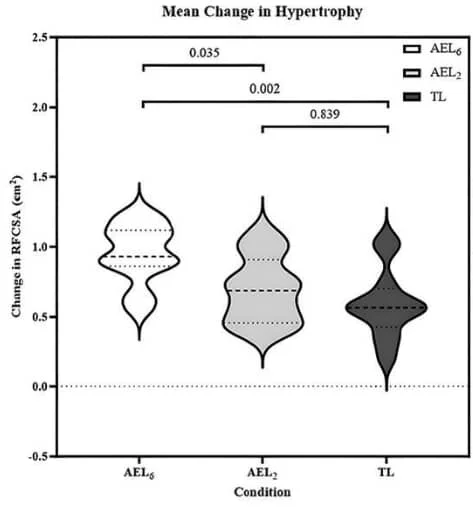
Eccentric Overload Training: Insights and Limitations on Muscle Growth
Research suggests eccentric overload training may not significantly enhance muscle growth, challenging earlier assumptions about its effectiveness.
Insight into Meditation's Lesser-Known Side Effects: A Study Analysis
New research reveals that nearly 60% of meditators may experience adverse effects, highlighting the importance of informed consent in meditation practices.
Leucine Supplementation: New Insights on Muscle Growth Efficacy
Recent research suggests leucine supplementation may not enhance muscle growth significantly for those already consuming adequate protein.
Exploring the Evolutionary Roots of Gender Differences in Lifespan
Research reveals that evolutionary factors largely explain the longer lifespans of women compared to men across various species.